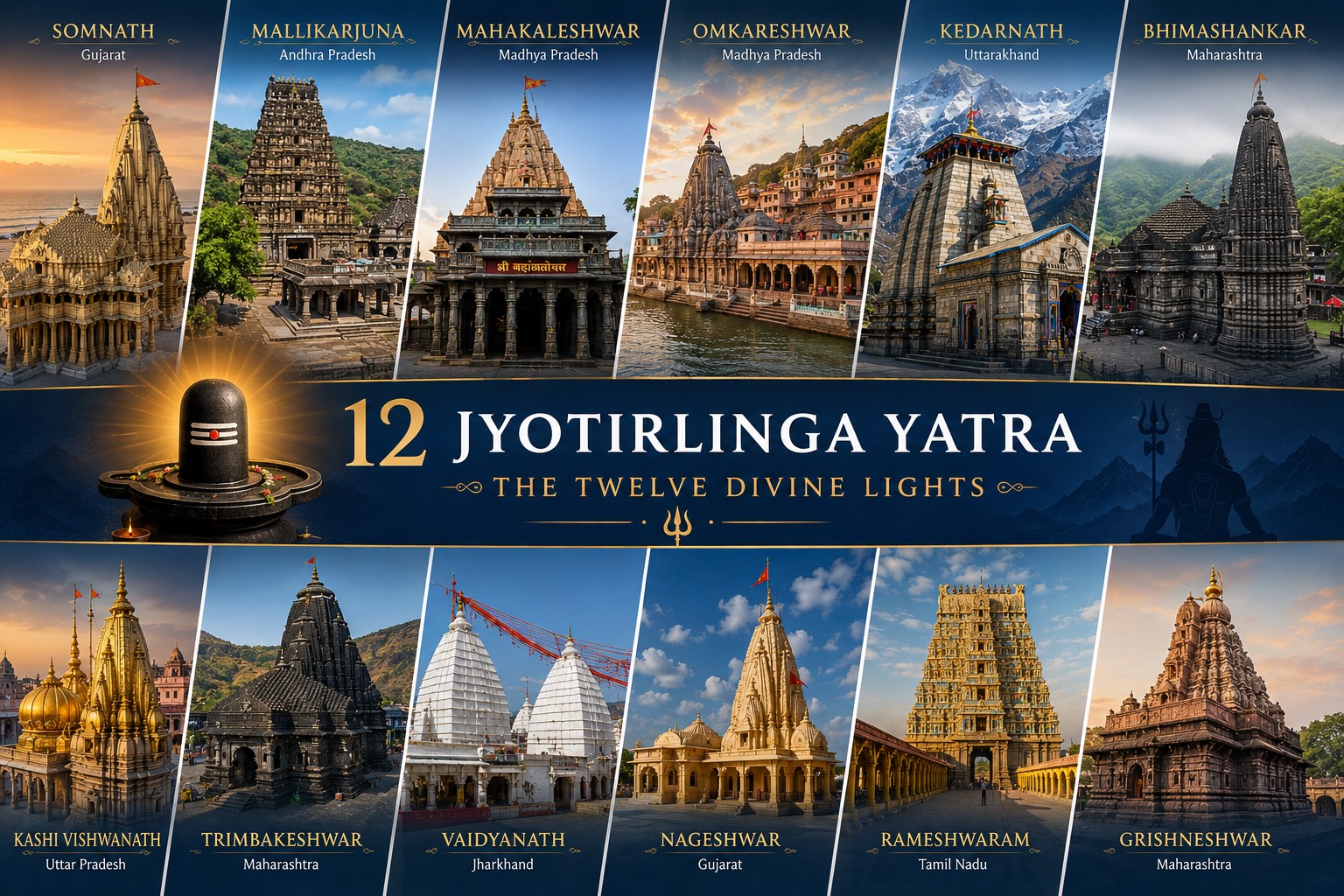
Dwadash Jyotirlinga Yatra
The sacred pilgrimage to the twelve self-manifested lingams of Lord Shiva, spread across India from Gujarat to Tamil Nadu, from Maharashtra to Uttarakhand.
Best Time
October to March
Duration
21-30 days (complete yatra)
Languages
Regional languages vary
Transport
Mix of air, rail, and road
The Twelve Divine Lights
The Dwadash Jyotirlinga Yatra is one of the most sacred pilgrimages in Hinduism, encompassing twelve temples where Lord Shiva is believed to have manifested himself as a Jyotirlinga — a radiant sign of the Supreme Being.
According to the Shiva Purana, these twelve sites are where Shiva appeared as an endless pillar of light to settle a dispute between Brahma and Vishnu. Devotees believe that visiting all twelve grants immense spiritual merit and moksha.
The pilgrimage spans the length and breadth of India, from the coastal Somnath in Gujarat to the Himalayan Kedarnath, each temple with its unique legend, architecture, and spiritual significance.
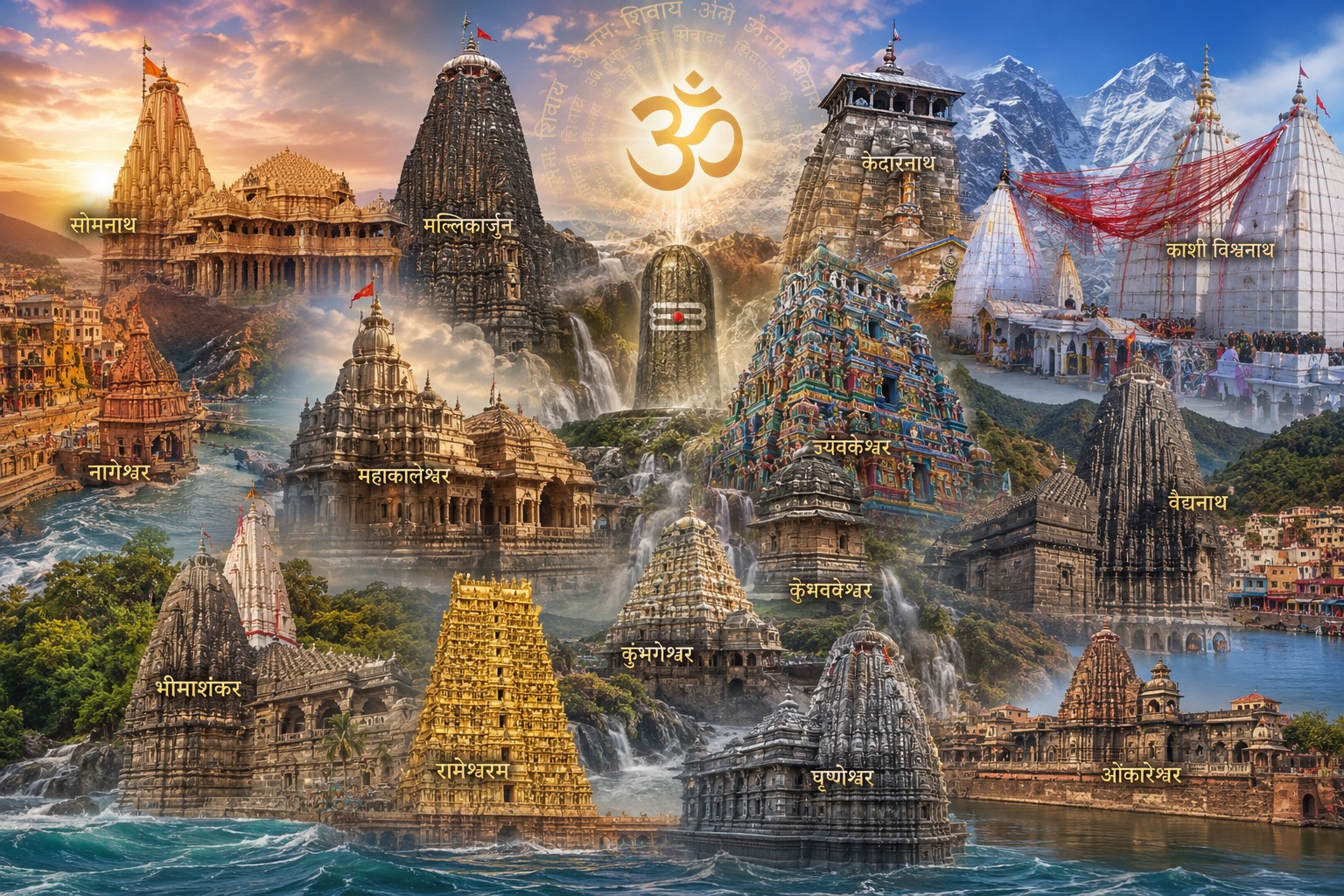
The Twelve Jyotirlingas
Each Jyotirlinga has its own legend and spiritual power.
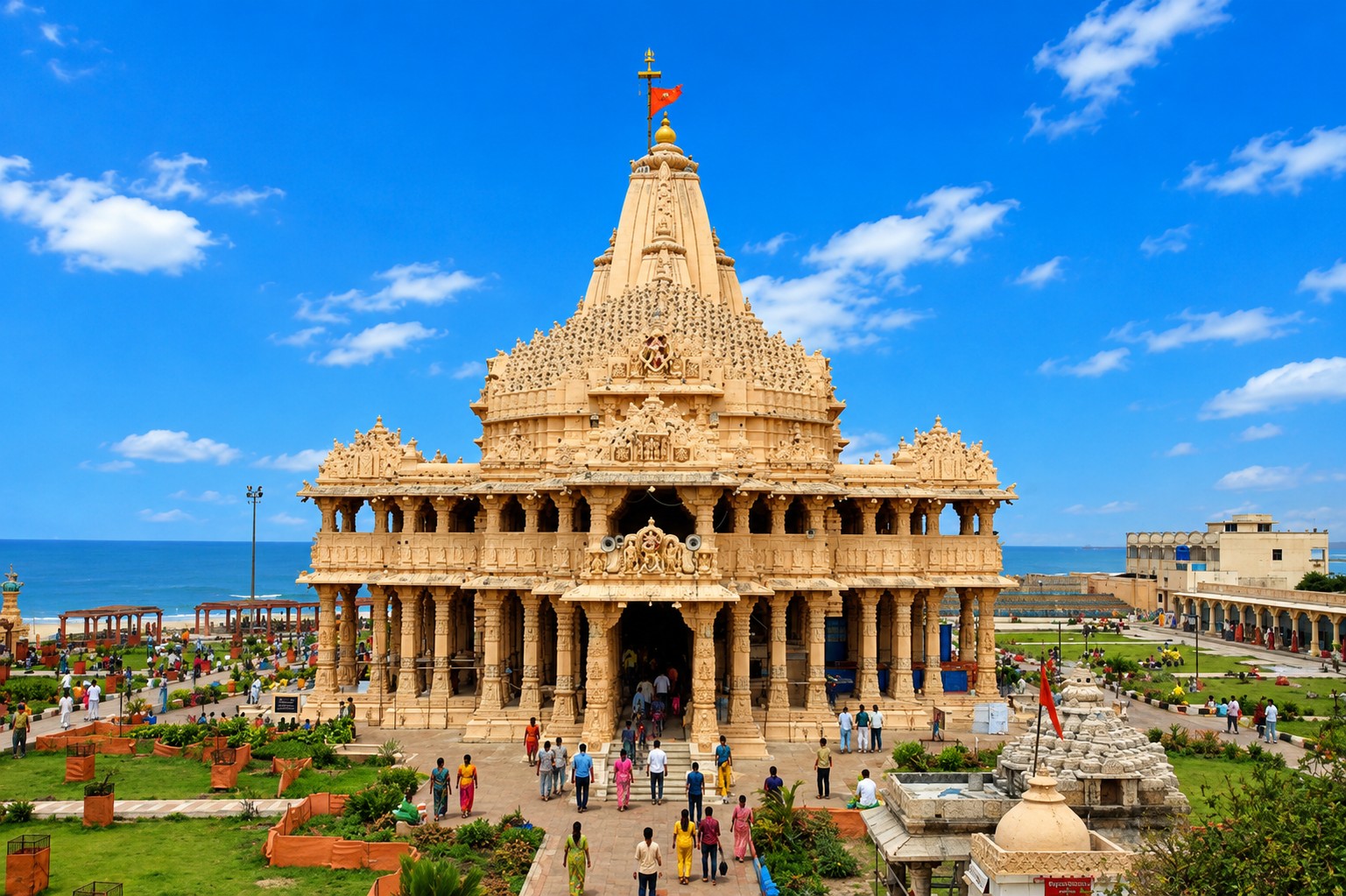
Somnath
Adi Jyotirlinga
The first among the twelve Jyotirlingas, located at Prabhas Patan near Veraval. Rebuilt multiple times, it stands as a symbol of resilience and faith.
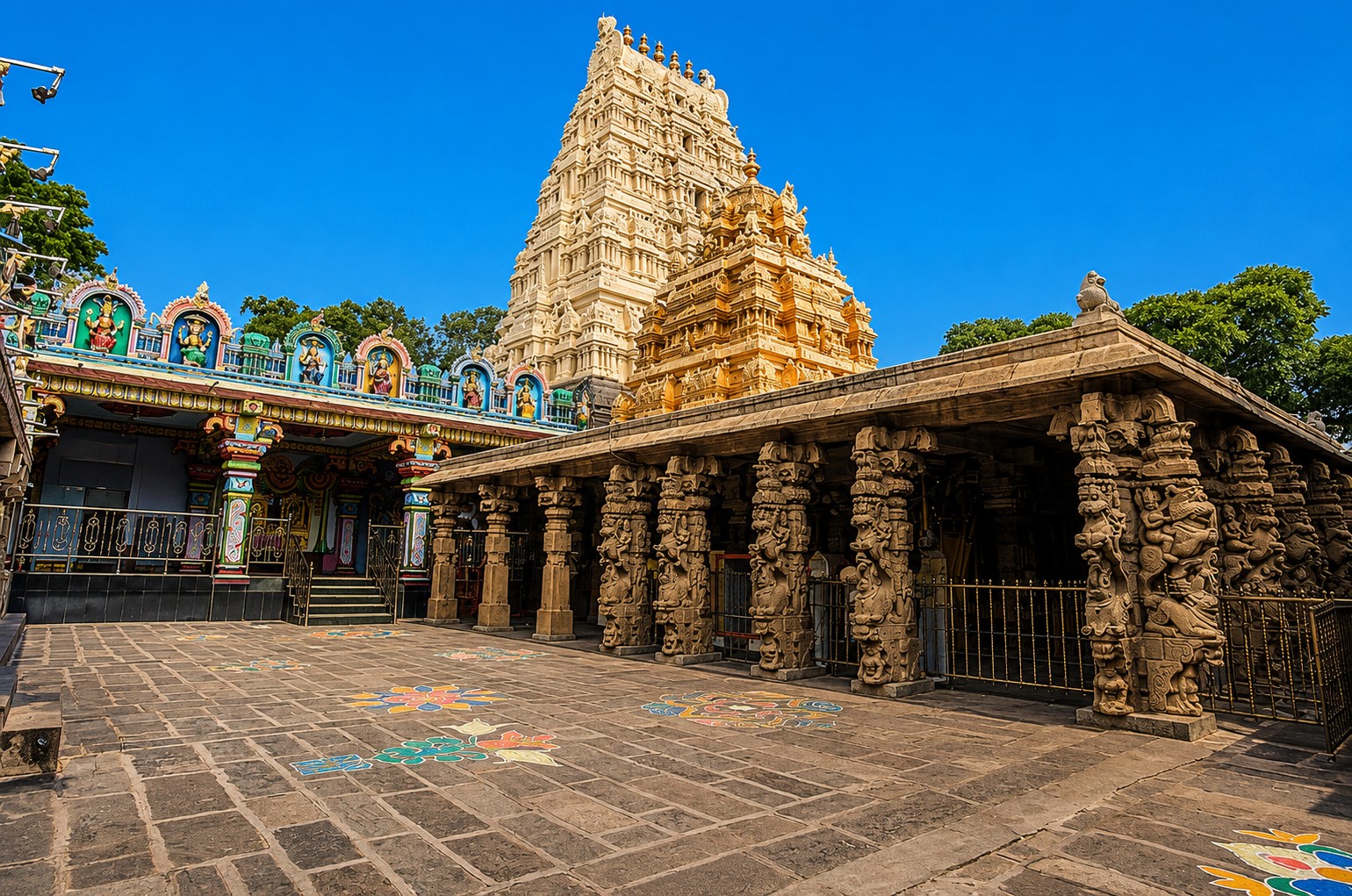
Mallikarjuna
Jyotirlinga & Shakti Peetha
Located on Srisailam mountain, this ancient temple is one of the few sites that is both a Jyotirlinga and a Shakti Peetha.
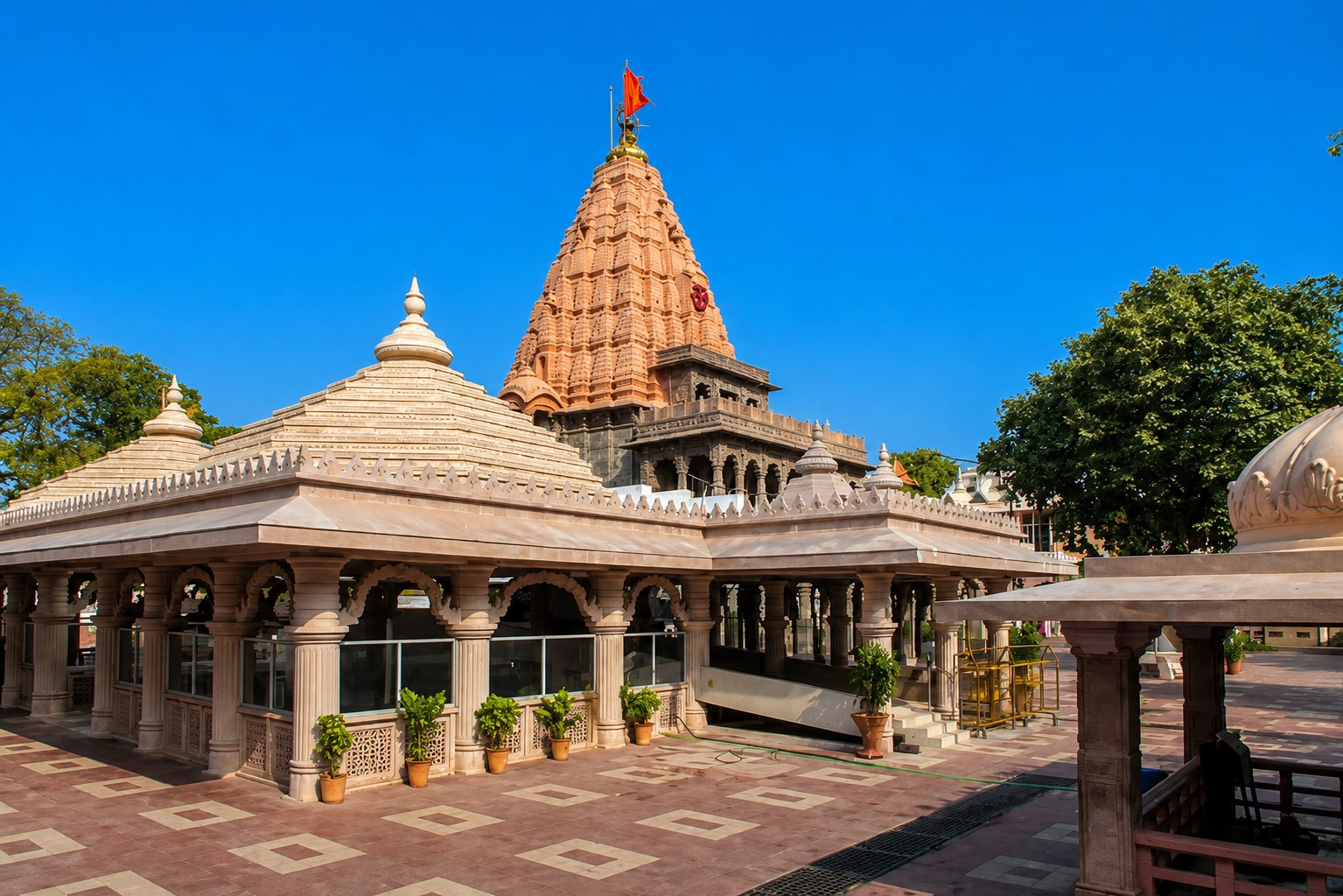
Mahakaleshwar
Dakshinamurti
The only south-facing Jyotirlinga, located in Ujjain. Famous for its Bhasma Aarti performed with sacred ash.
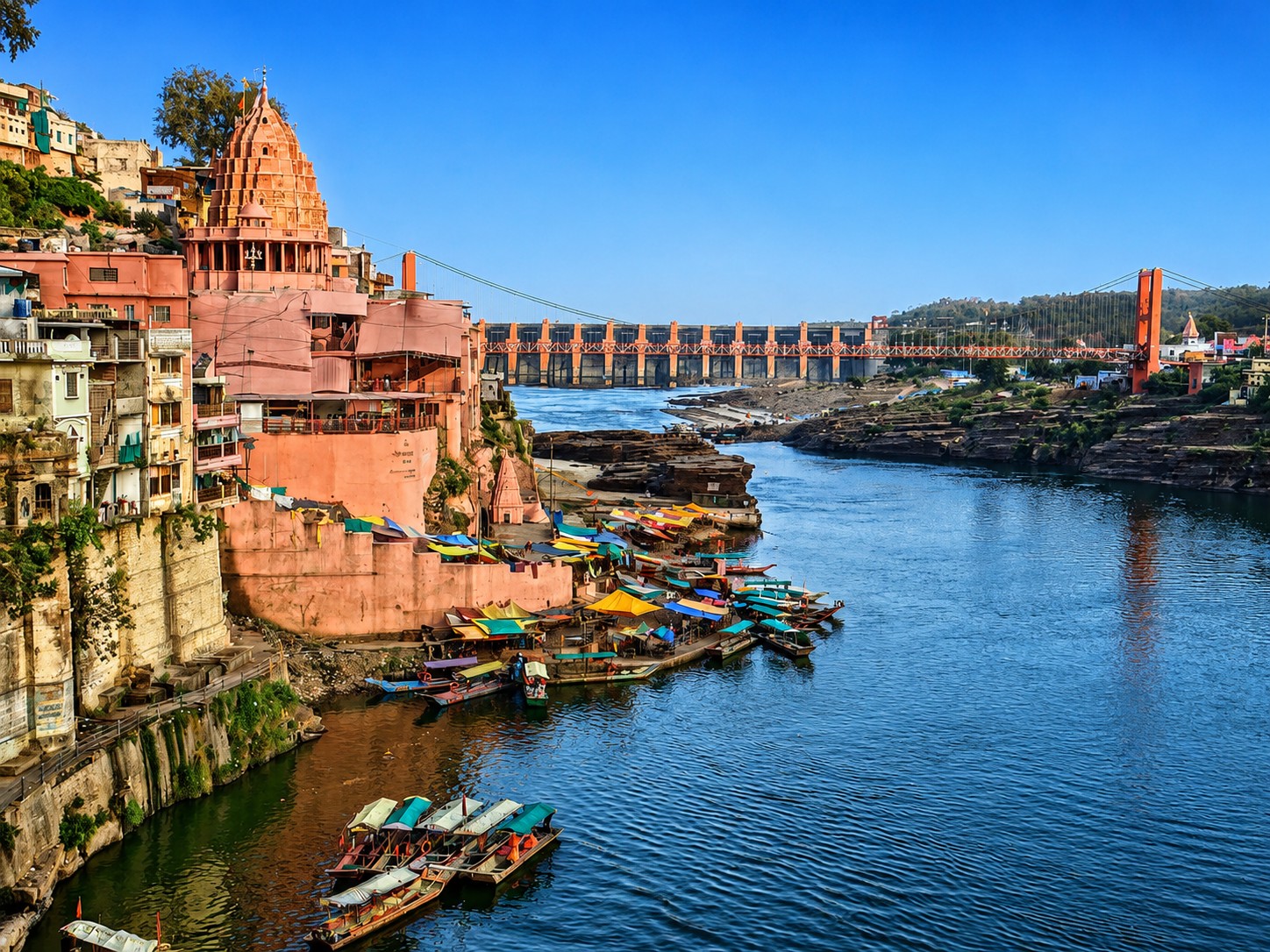
Omkareshwar
Om-shaped Island
Located on an island shaped like Om in the Narmada river. The temple complex includes both Omkareshwar and Amareshwar.
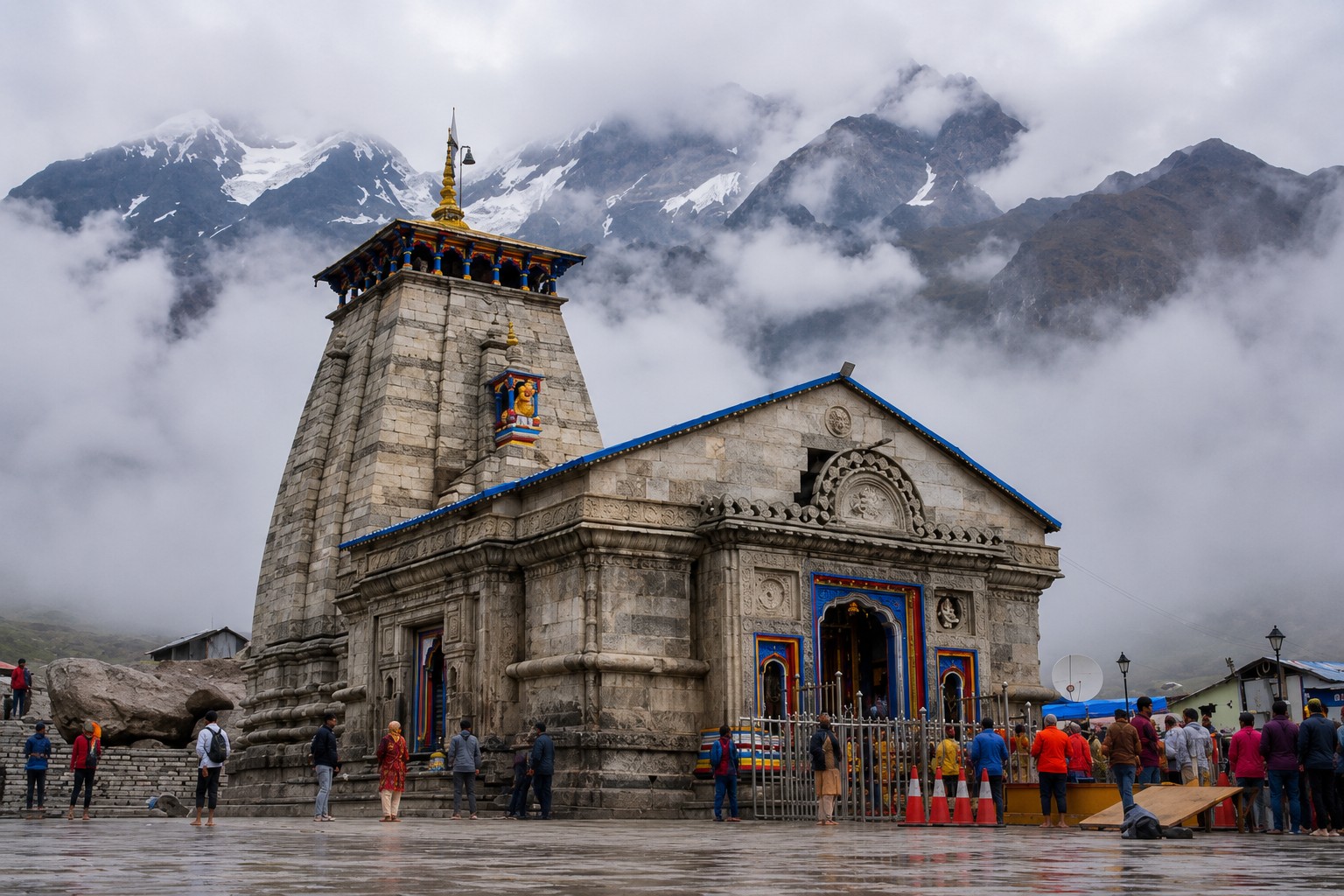
Kedarnath
Himalayan Shrine
Situated at 3,583m in the Himalayas, accessible only six months a year. One of the Char Dham pilgrimage sites.
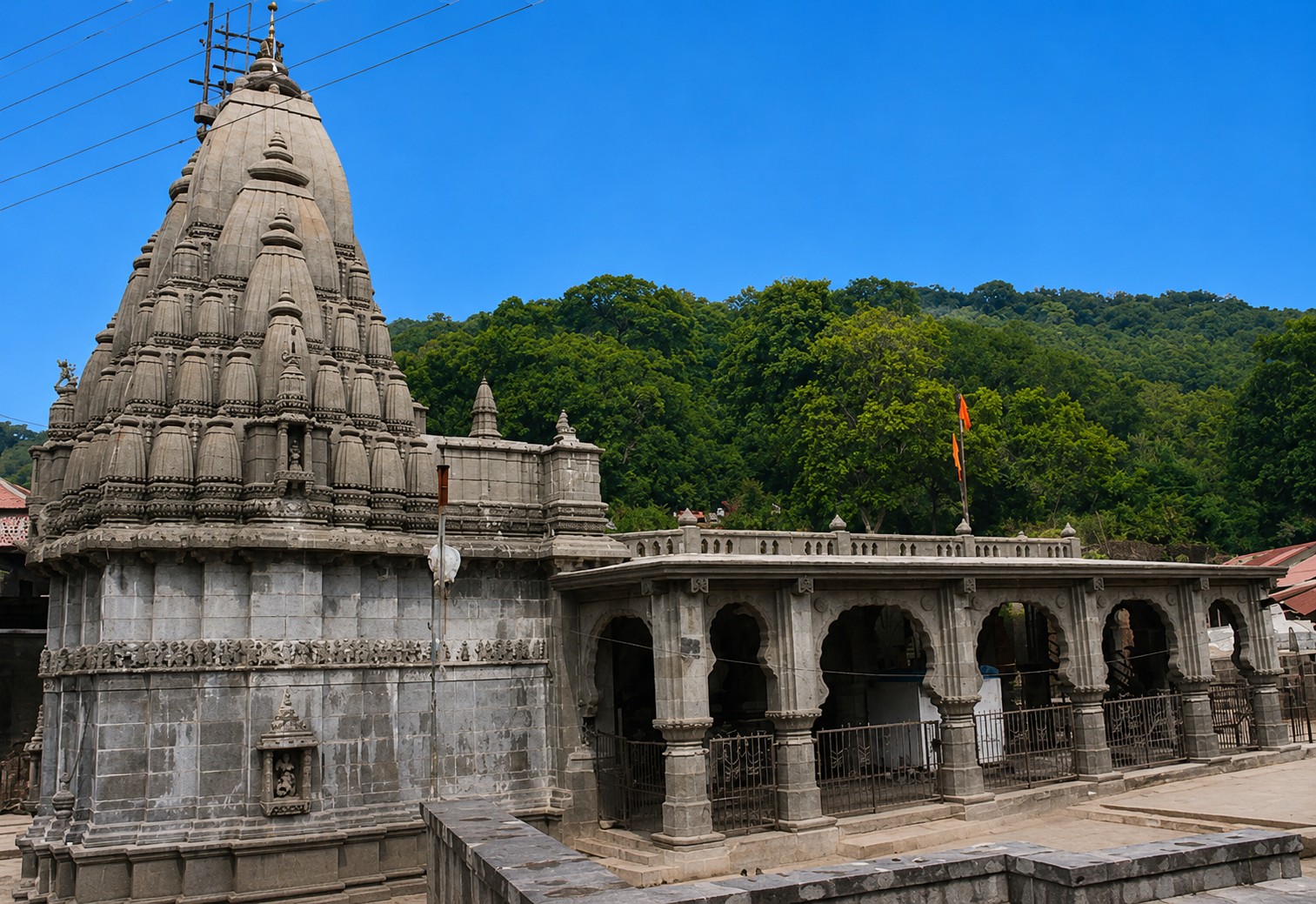
Bhimashankar
Source of Bhima River
Located in the Sahyadri hills near Pune. The temple is surrounded by dense forest and is the source of river Bhima.
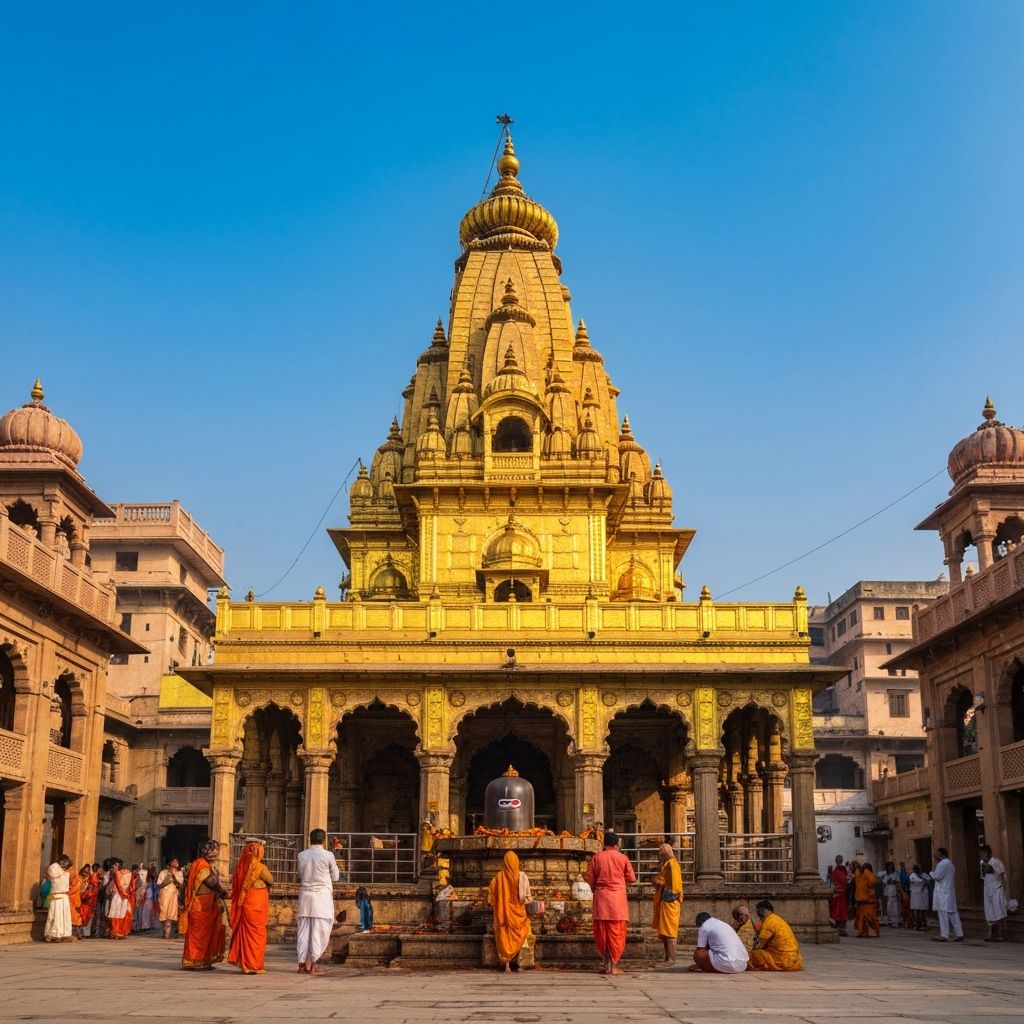
Kashi Vishwanath
Moksha Dayaka
The most famous Jyotirlinga, located in Varanasi. Visiting here is believed to grant moksha (liberation).
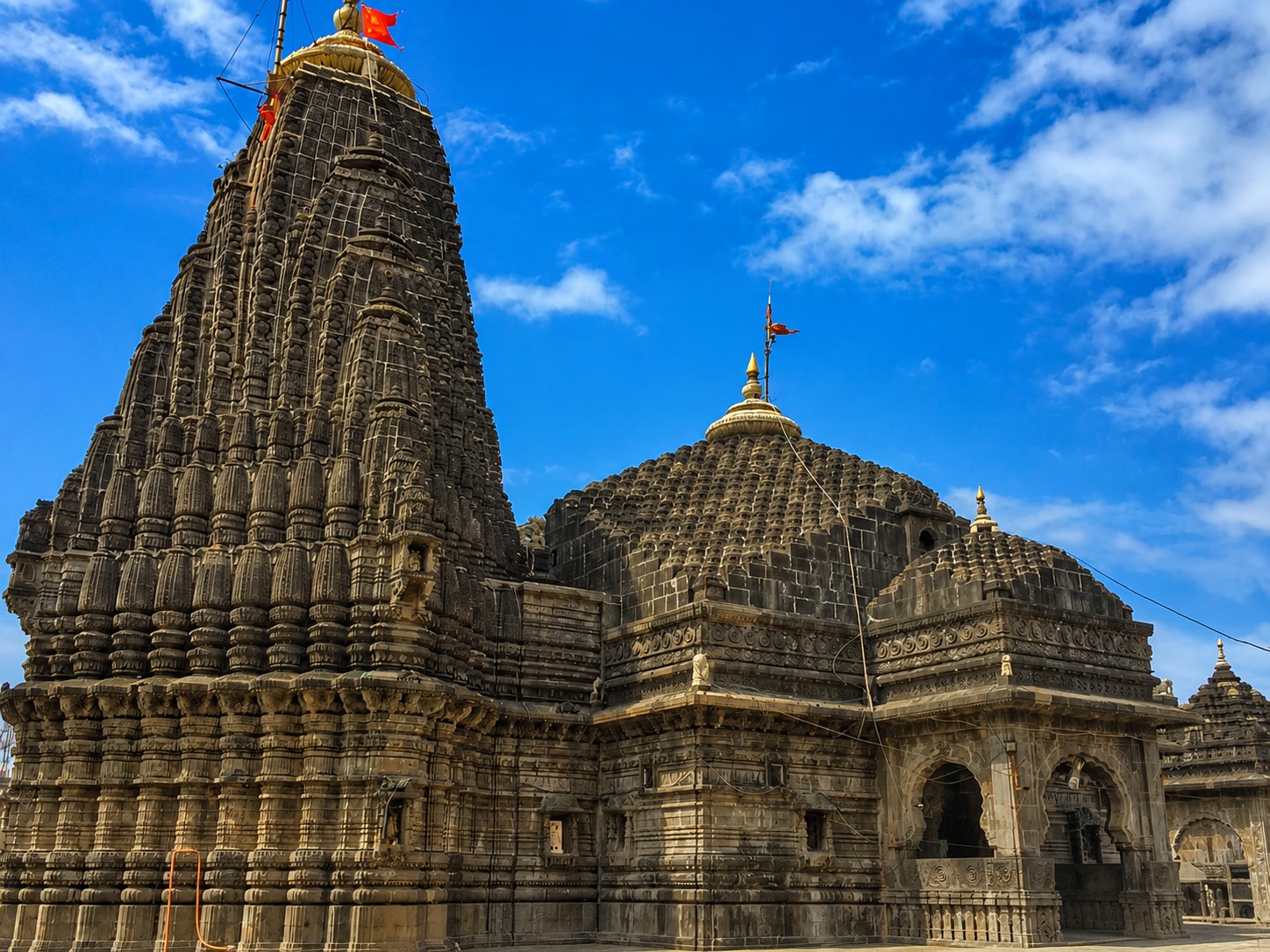
Trimbakeshwar
Trimurti Lingam
Located near Nashik at the source of river Godavari. Unique for its three-faced lingam representing Brahma, Vishnu, and Shiva.
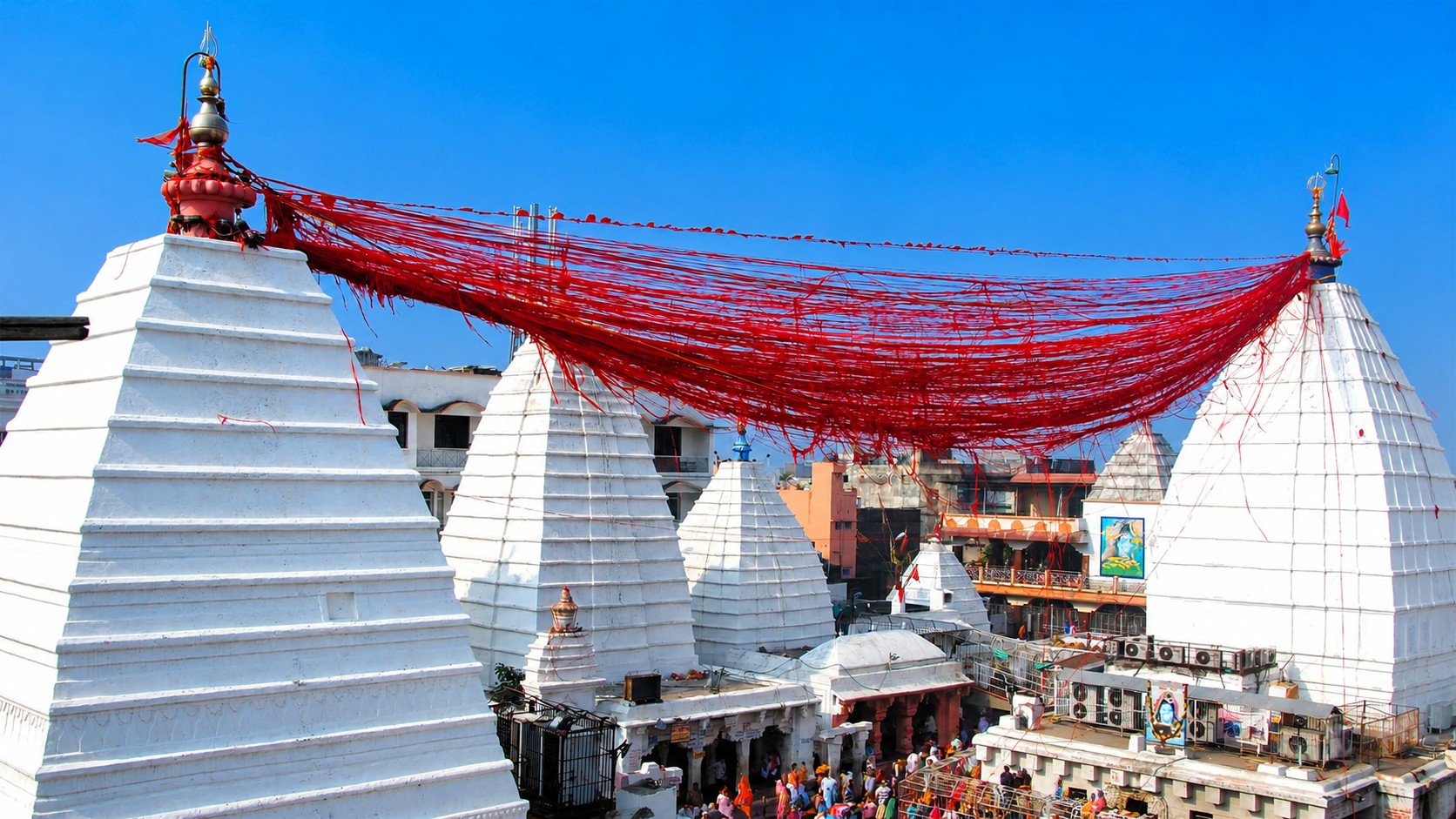
Vaidyanath
Lord of Physicians
Also known as Baidyanath Dham, located in Deoghar. An important pilgrimage during Shravan month.
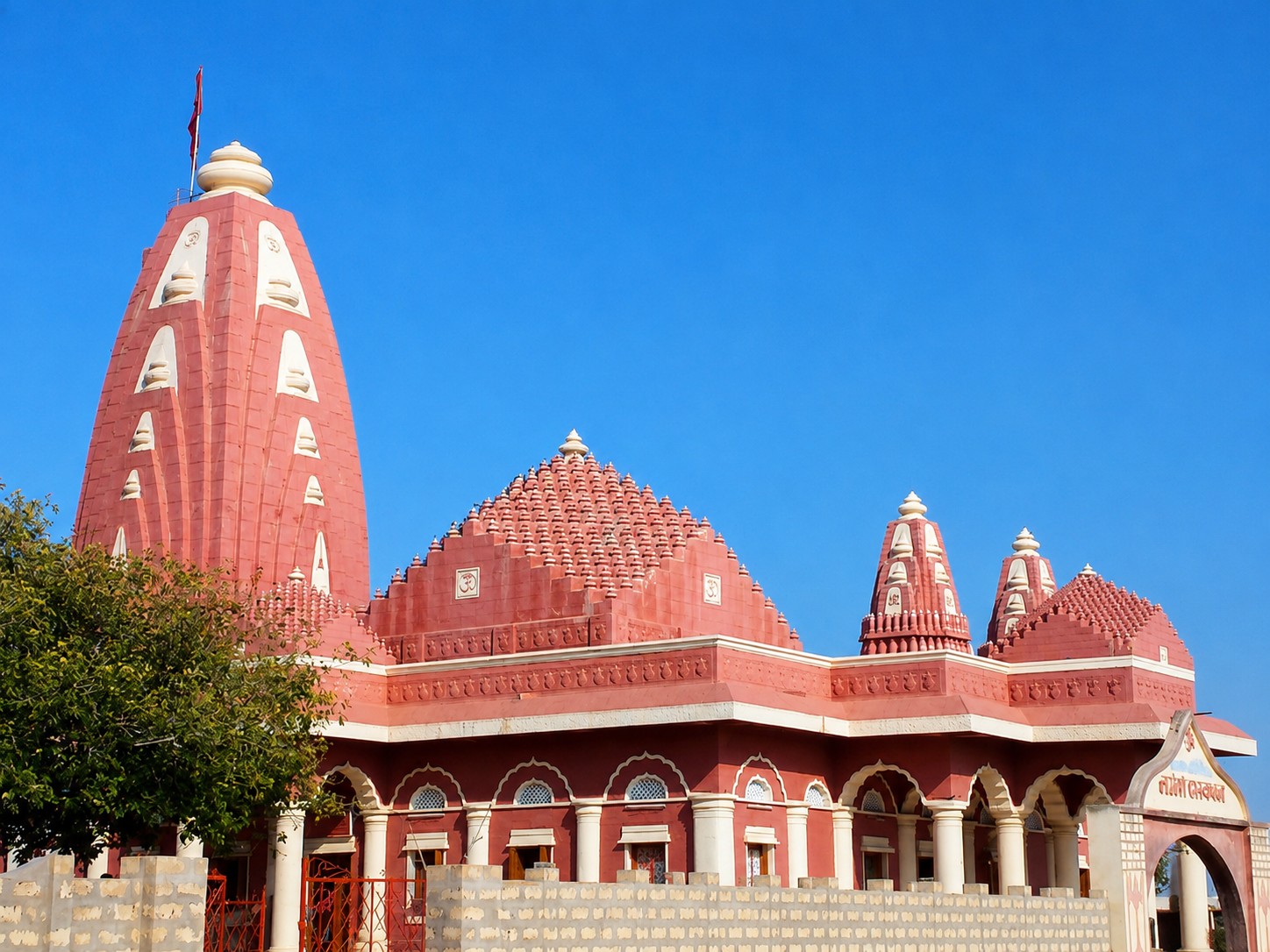
Nageshwar
Protector from Poison
Located near Dwarka. Houses a 25m tall statue of Lord Shiva and is believed to protect devotees from poison.
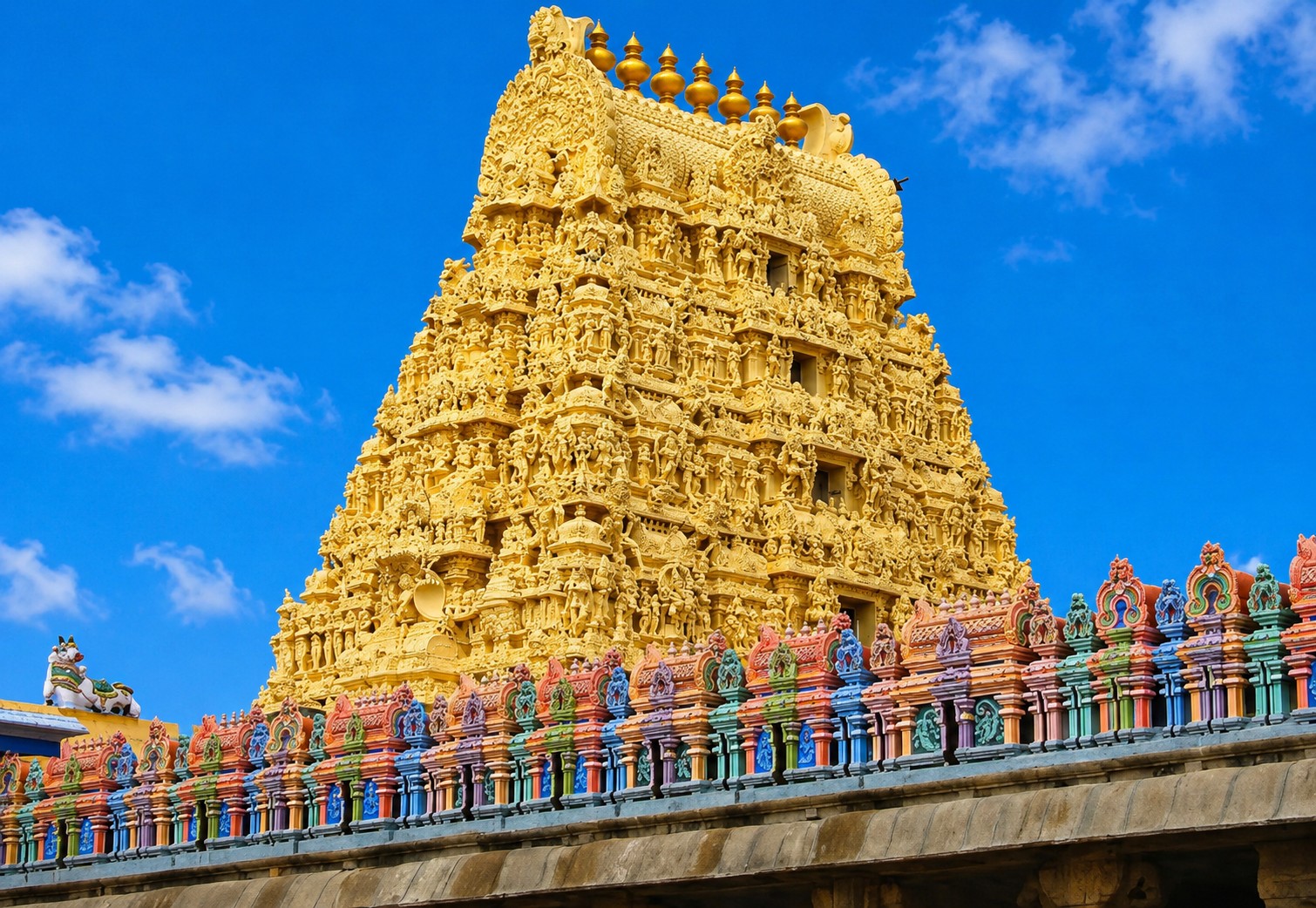
Rameshwaram
Built by Lord Rama
Located on Pamban Island, built by Lord Rama. Has the longest corridor among Hindu temples and 22 sacred wells.
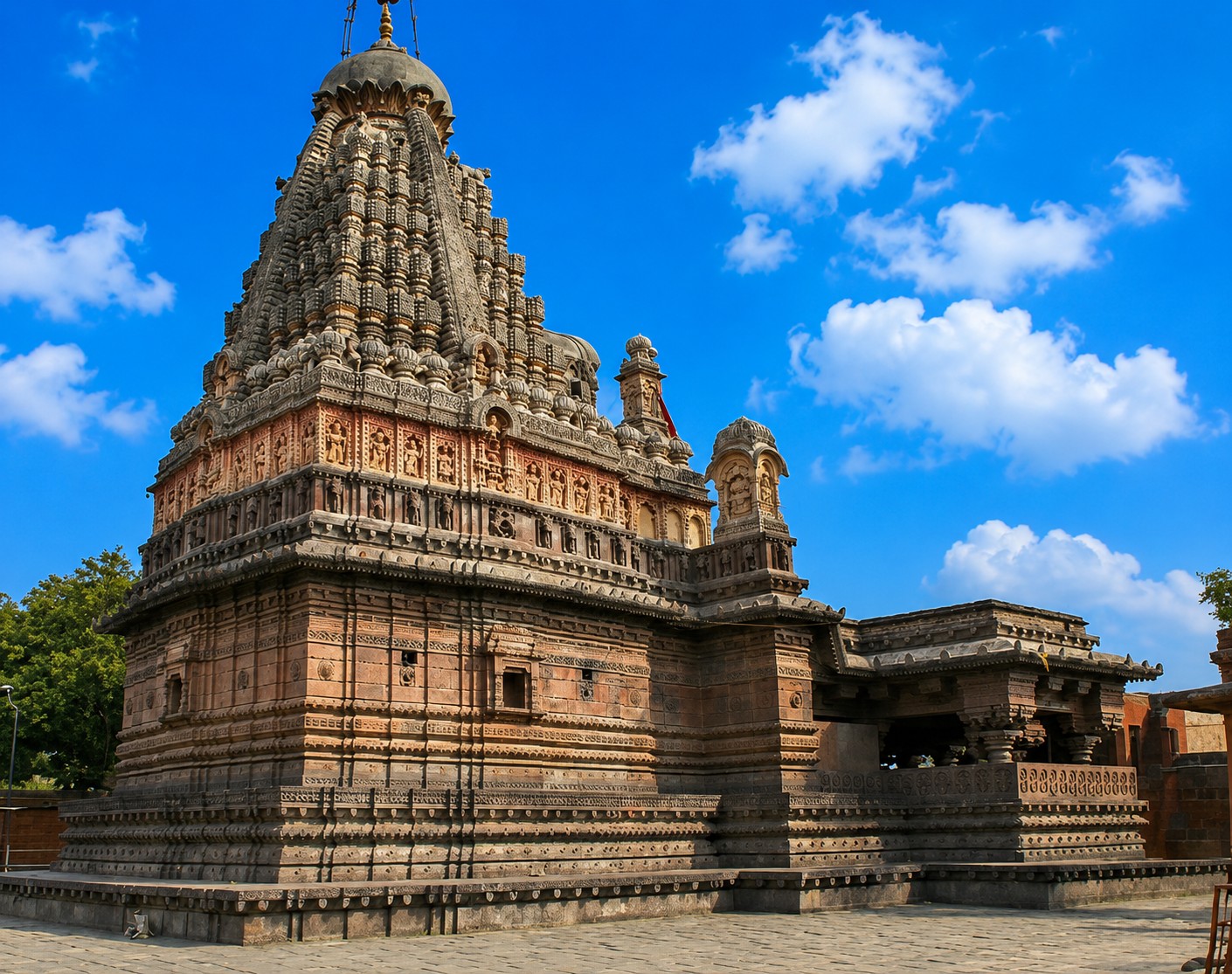
Grishneshwar
Near Ellora Caves
The last of the twelve Jyotirlingas, located near Ellora Caves. The present temple was built by Ahilyabai Holkar.
Spiritual Experiences
Abhishek Puja
Participate in the sacred bathing ceremony of the Jyotirlinga with milk, water, and bilva leaves
Rudrabhishek
The most powerful Shiva puja, performed at each Jyotirlinga for blessings and spiritual merit
Maha Shivaratri
Visit during the great night of Shiva for the most auspicious darshan experience
Temple Prasad
Receive blessed offerings unique to each Jyotirlinga temple
Pilgrimage Checklist
Essential items for your Jyotirlinga Yatra.
Planning Your Yatra
Western Circuit
Start from Mumbai: Bhimashankar, Trimbakeshwar, Grishneshwar, Omkareshwar, Mahakaleshwar, Somnath, Nageshwar.
7 Jyotirlingas | 10-12 days
Eastern Circuit
From Varanasi: Kashi Vishwanath, Vaidyanath (Deoghar), then south to Mallikarjuna and Rameshwaram.
4 Jyotirlingas | 8-10 days
Himalayan Visit
Kedarnath requires separate planning. Open May-October only. Combine with Char Dham Yatra.
1 Jyotirlinga | 3-5 days